Outdoor Lights Lose Power Under Walkways? Causes & Fix

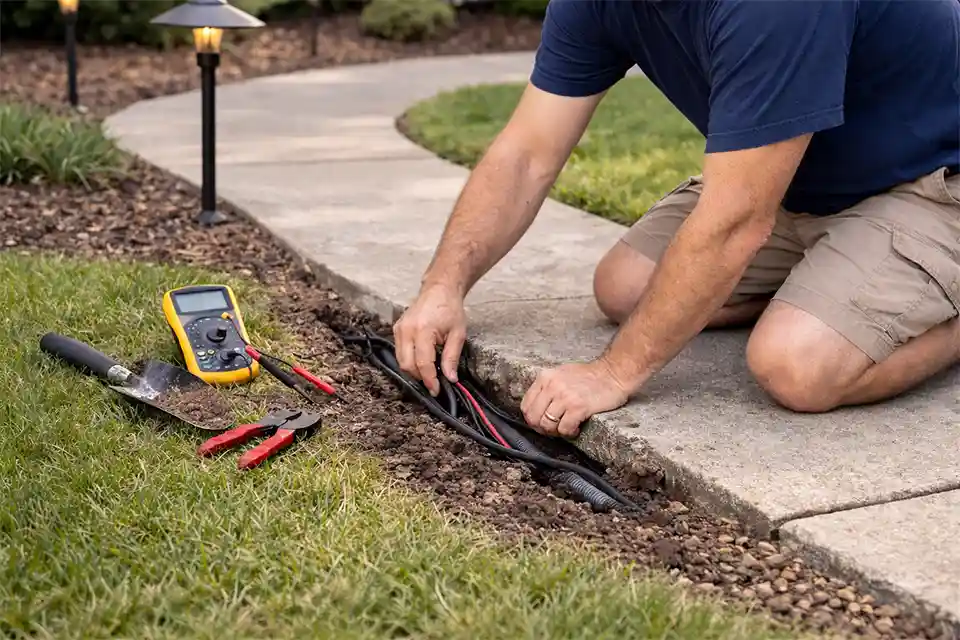
Homeowner inspecting underground outdoor lighting cable where it runs beneath a walkway.

Quick Solution Summary When outdoor lights lose power exactly where the wiring passes under a walkway or driveway, the issue usually comes from cable damage, compression, or moisture intrusion at that crossing point. Hard surfaces like concrete, pavers, or asphalt create pressure zones beneath the soil. Over time, the weight from foot traffic, vehicles, and … Read more

New Outdoor Lights Not Getting Power? Fix It Fast

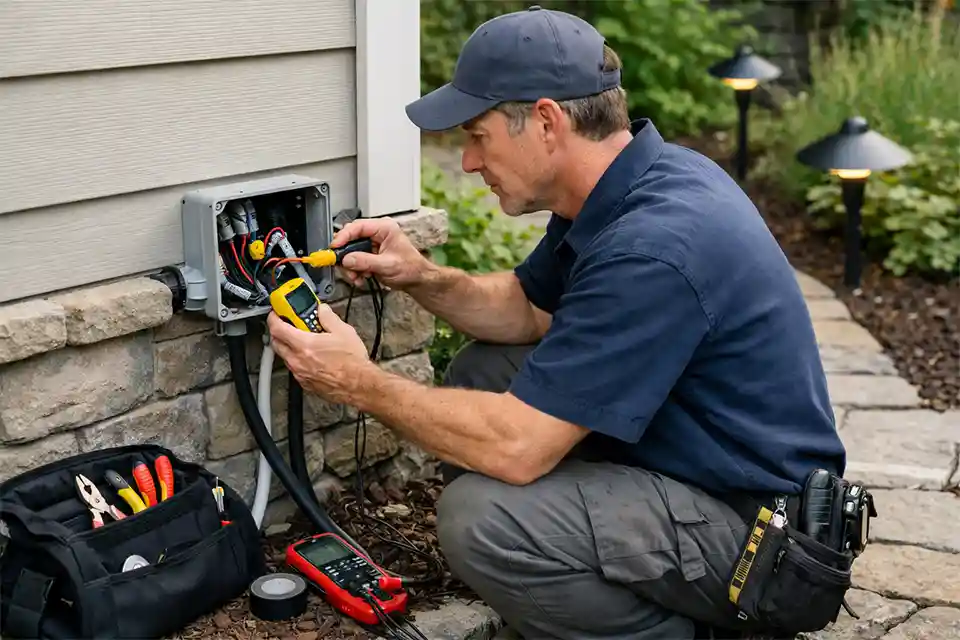
Electrician checking wiring when newly installed outdoor lights are not receiving power from the main electrical line.

Quick Solution Summary If newly installed outdoor lights are not receiving power from the main electrical line, the problem usually lies somewhere along the circuit path between the breaker panel and the first lighting fixture. In most residential systems, electricity flows through a switch, GFCI outlet, junction box, or transformer before reaching the lights. A … Read more

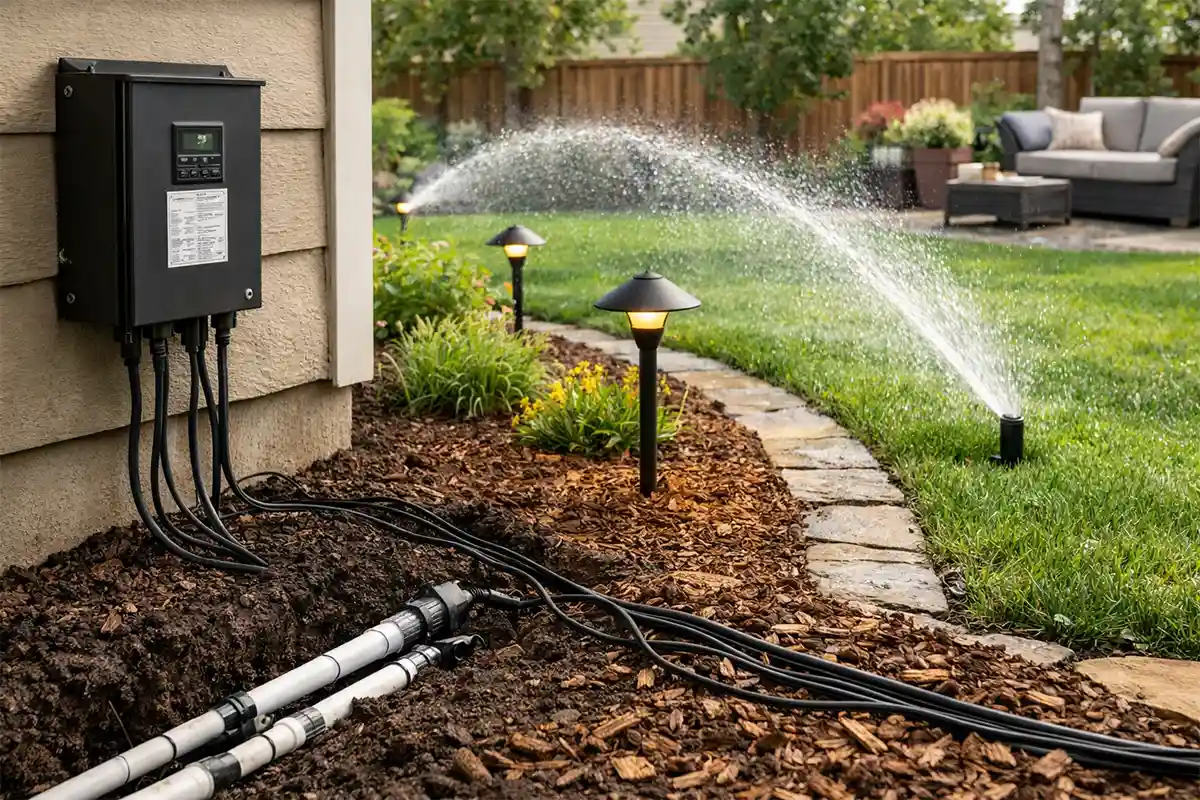
Outdoor Lights Shut Off When Sprinklers Turn On? Fix It Fast

Backyard landscape lights shutting off as sprinkler irrigation system turns on.

Quick Solution Summary If your outdoor lighting circuit loses power the moment your irrigation system turns on, the problem usually comes from moisture exposure, a shared GFCI outlet, or underground wiring damage near sprinkler lines. In many homes, landscape lighting transformers and irrigation controllers are plugged into the same outdoor outlet. When sprinkler valves activate, … Read more

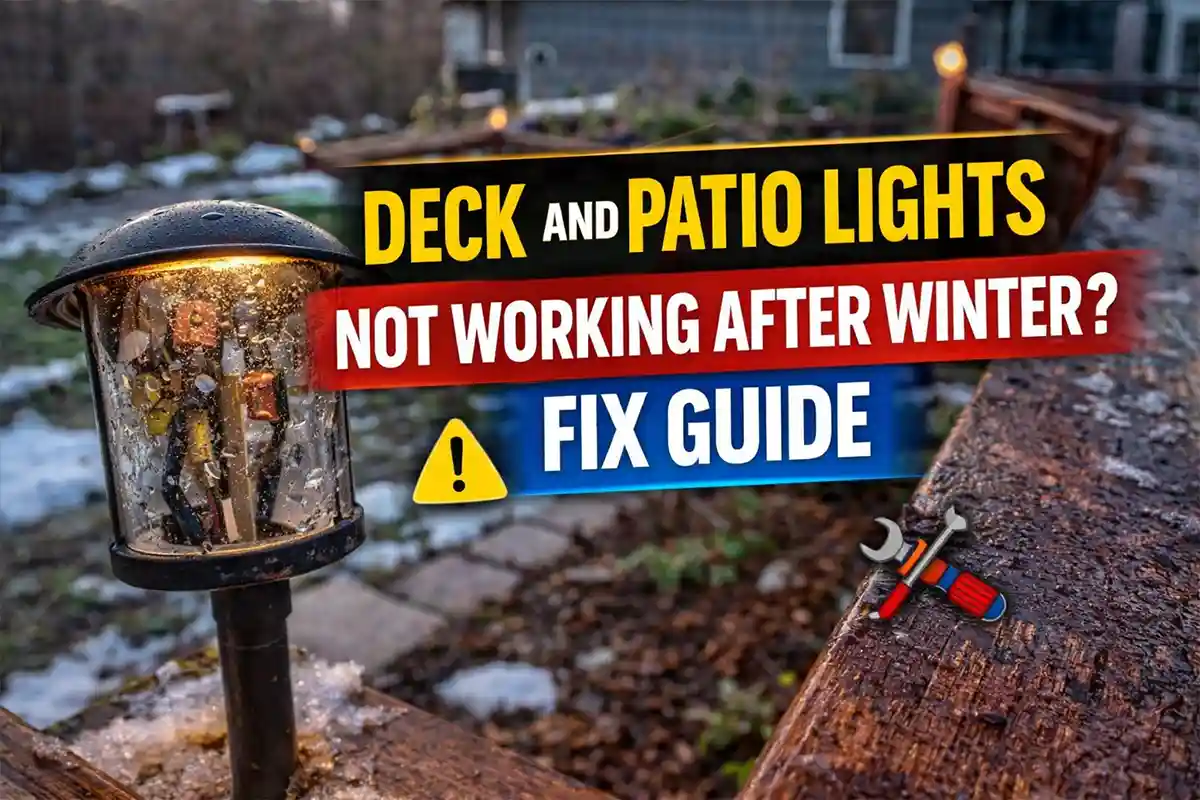
Deck and Patio Lights Not Working After Winter? Fix Guide

Outdoor deck and patio lights not working after winter in a backyard.

Quick Solution Summary If deck or patio lights stop working after winter, the most common causes are moisture intrusion, corroded wire connections, tripped GFCI outlets, or damaged underground cables. Outdoor lighting systems endure months of cold temperatures, snow accumulation, and repeated freeze-thaw cycles. These conditions slowly weaken electrical components. During winter in northern states such … Read more

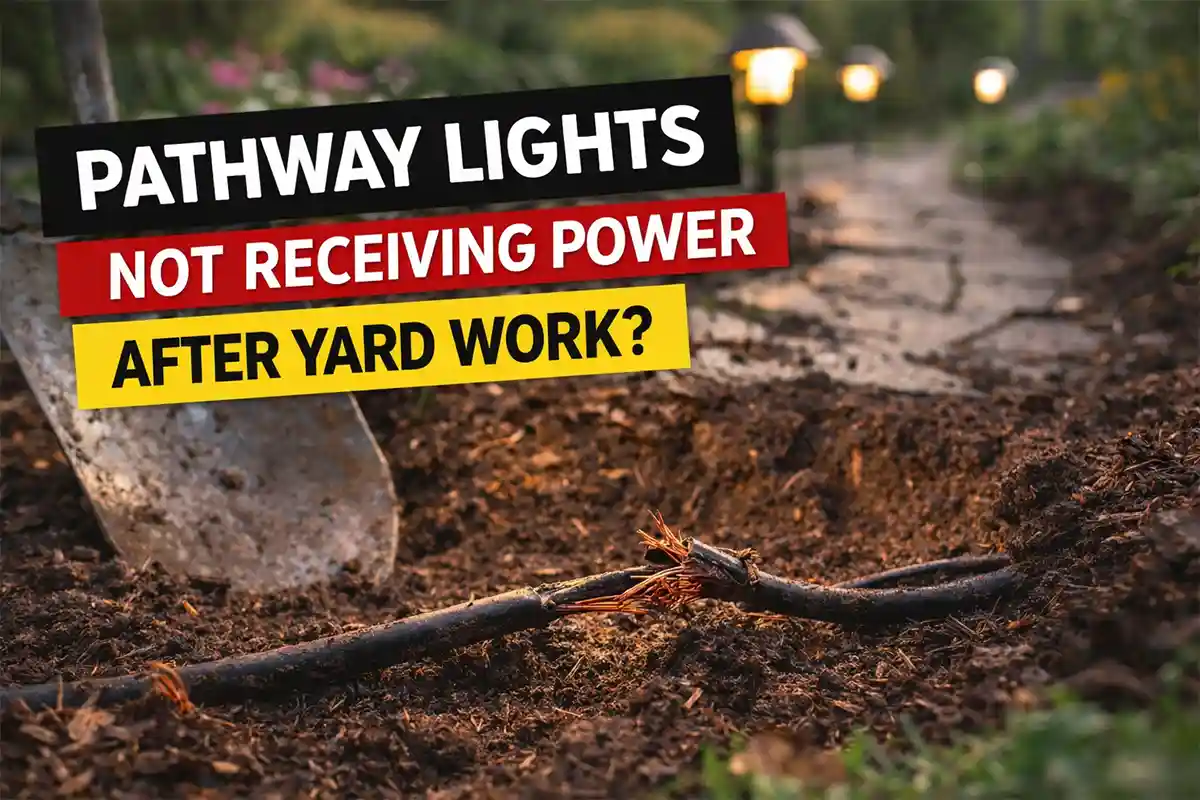
Pathway Lights Not Receiving Power After Yard Work?

Pathway lights not receiving power after yard work due to damaged underground landscape lighting cable.

Quick Solution Summary If your pathway lights stopped receiving power right after yard work, the most common cause is accidental damage to underground low-voltage lighting cables. Landscape lighting wires are typically buried only 4–6 inches below soil, making them easy to cut or pull loose during activities like planting shrubs, installing irrigation lines, edging garden … Read more

Outdoor Lights Turning Off After a Few Minutes? Fix It Fast

Outdoor landscape lights turning off after a few minutes in a residential yard

Outdoor lights that turn on normally but shut off a few minutes later usually point to instability somewhere in the lighting system rather than a completely failed fixture. In most residential setups, the issue is caused by transformer overload, voltage drop along long cable runs, moisture intrusion, or loose electrical connections that temporarily break contact. … Read more

Outdoor Lights Work in Day but Shut Off at Night? Fix This

Outdoor landscape lights shutting off after dark along a backyard pathway

If your outdoor lights work during the day but shut off once it gets dark, the issue is usually tied to photocell sensors, voltage drop, moisture inside fixtures, or failing wiring connections. During daylight hours, the system may still receive stable power or remain inactive depending on how the light sensor operates. But once darkness … Read more

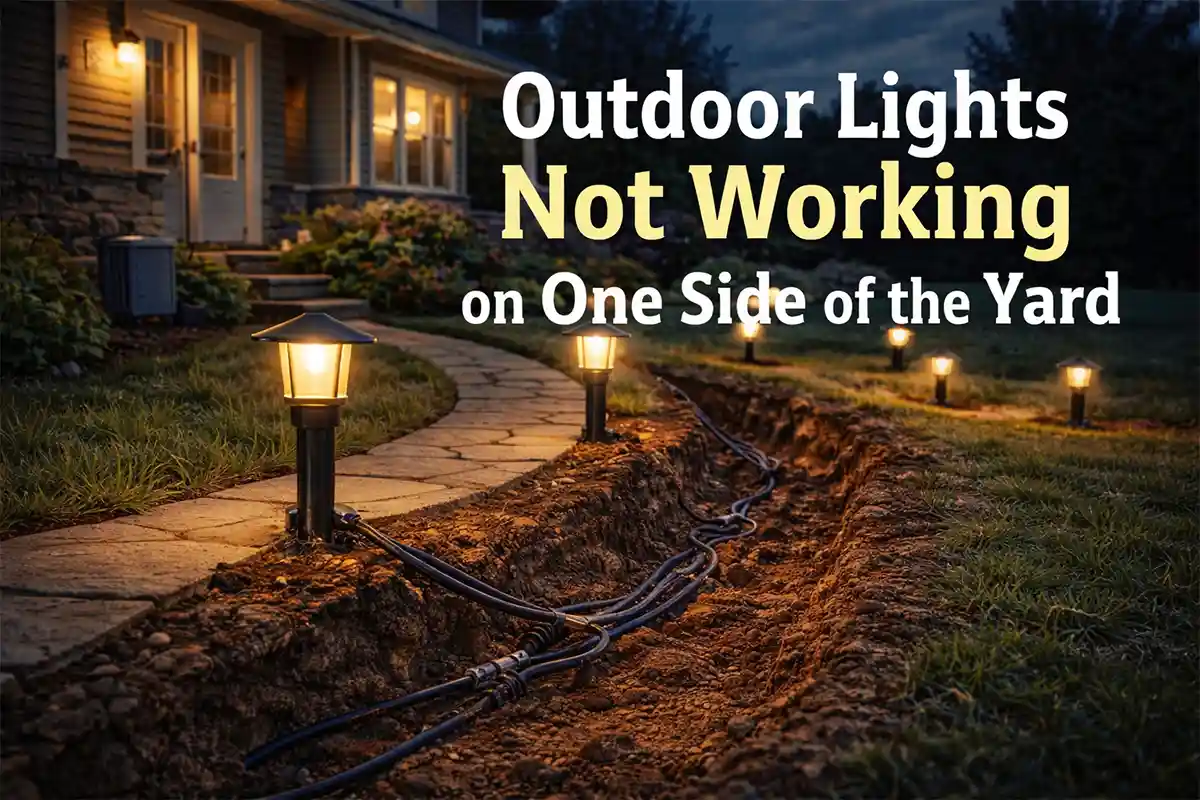
Outdoor Lights Not Working on One Side of the Yard

Outdoor pathway lights in a residential yard with one side not working and visible underground landscape lighting wiring trench

When a section of yard lighting suddenly stops working, the first explanation often seems obvious. A burned-out bulb, a faulty transformer, or a damaged fixture are common assumptions. However, outdoor electrical systems rarely behave that simply. The same visible symptom—lights failing on one side of a yard—can result from several very different conditions inside the … Read more