Why Are My Solar Light Batteries Dying So Quickly?

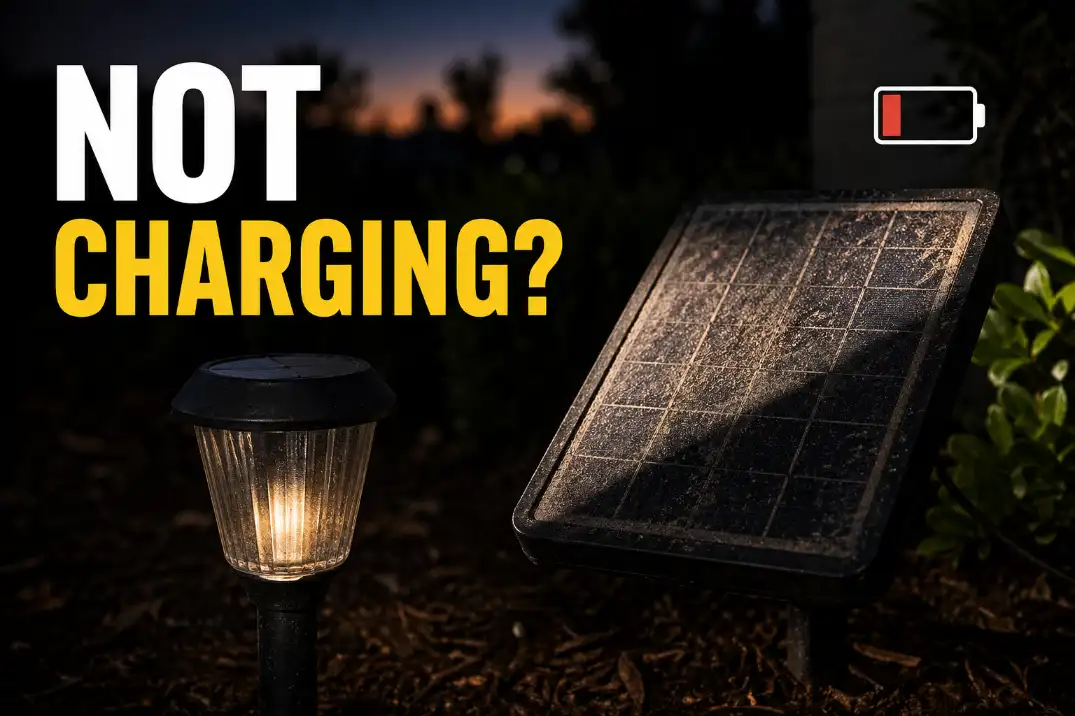
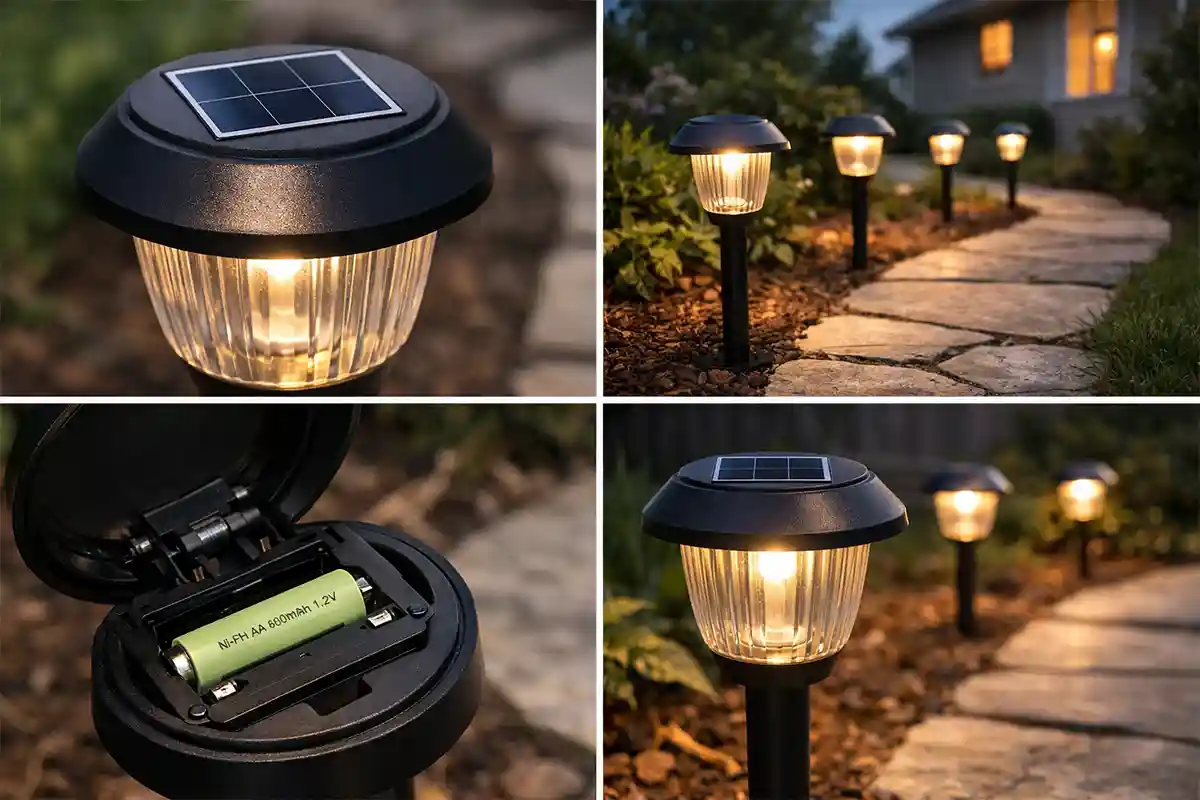
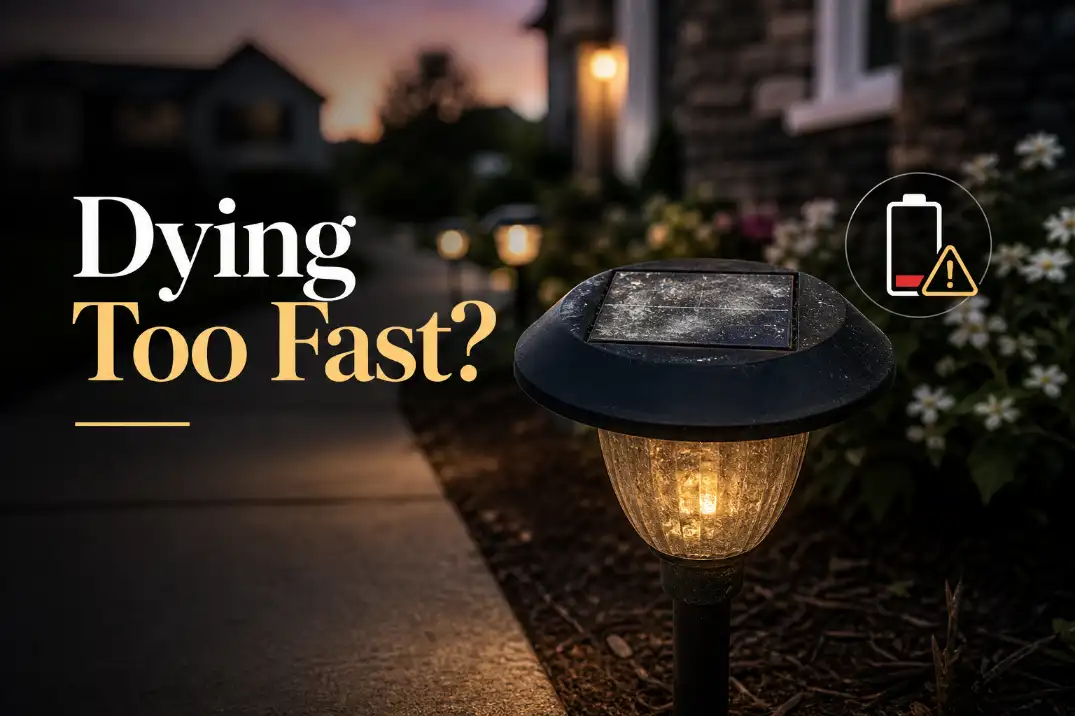
Outdoor solar garden lights installed along a pathway with visible solar panels and internal rechargeable batteries at dusk.

A typical setup might include six solar lights spaced about 3 to 5 feet apart along a straight concrete walkway. Each fixture stands roughly 16 to 20 inches tall, with a flat solar panel facing straight up. On installation day, everything looks centered and evenly aligned with the driveway edge. The issue often begins where … Read more

Why Water Gets In Through Cable Entry Points

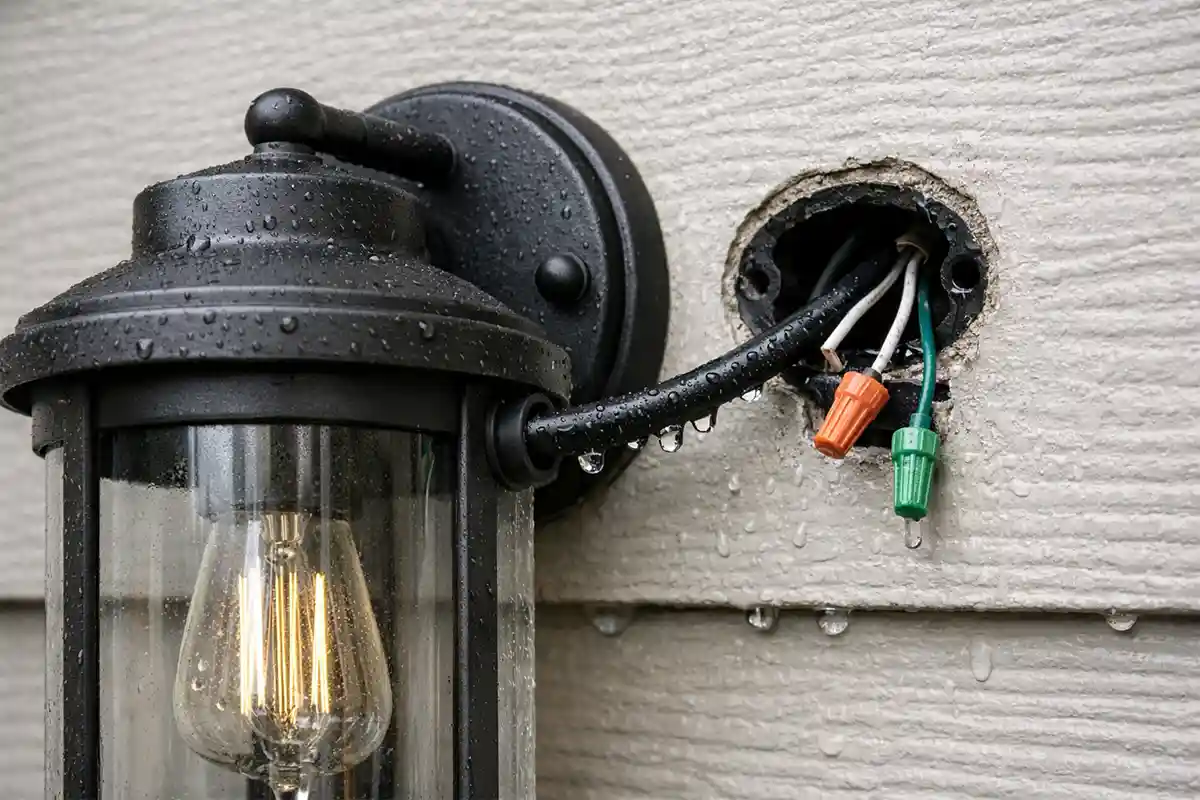
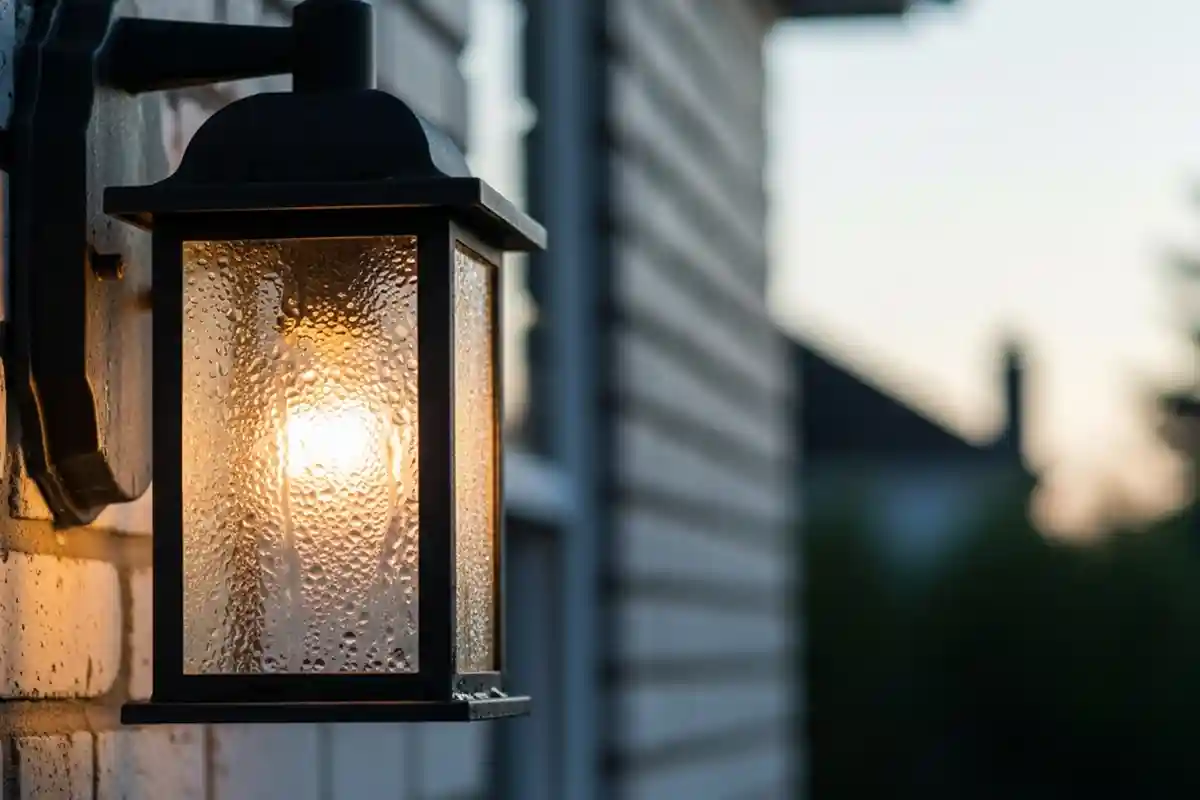
Close-up of an outdoor light fixture cable entry point where water can travel along wiring into the housing.

Most outdoor wall lights sit about 5 to 7 feet above the ground, usually centered beside a door and a few inches below a window line. The wiring comes straight through the wall behind the fixture, passing through a small round hole often less than half an inch wide. That hidden opening, not the glass … Read more

Why Your Outdoor Light Works Fine—Until It Rains

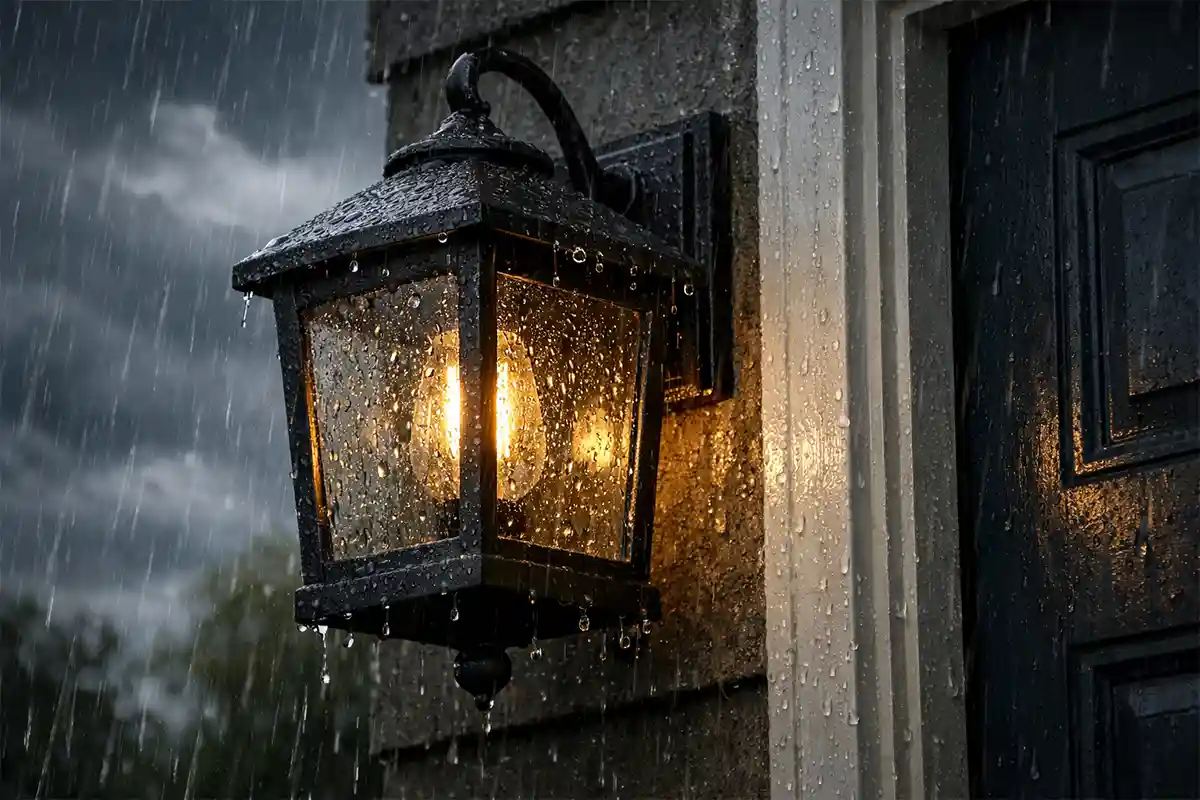
Outdoor wall-mounted light fixture exposed to heavy rain with visible water droplets and moisture accumulation.

After a heavy storm, the porch light hesitates when the switch is flipped. It flickers once, then turns on as if nothing happened. Moments like that are often blamed on the bulb, but rain exposure is usually working quietly in the background. Outdoor lights are built to face the weather, yet they are not sealed … Read more

Corrosion in Outdoor Light Connections: What It Means and How to Fix It

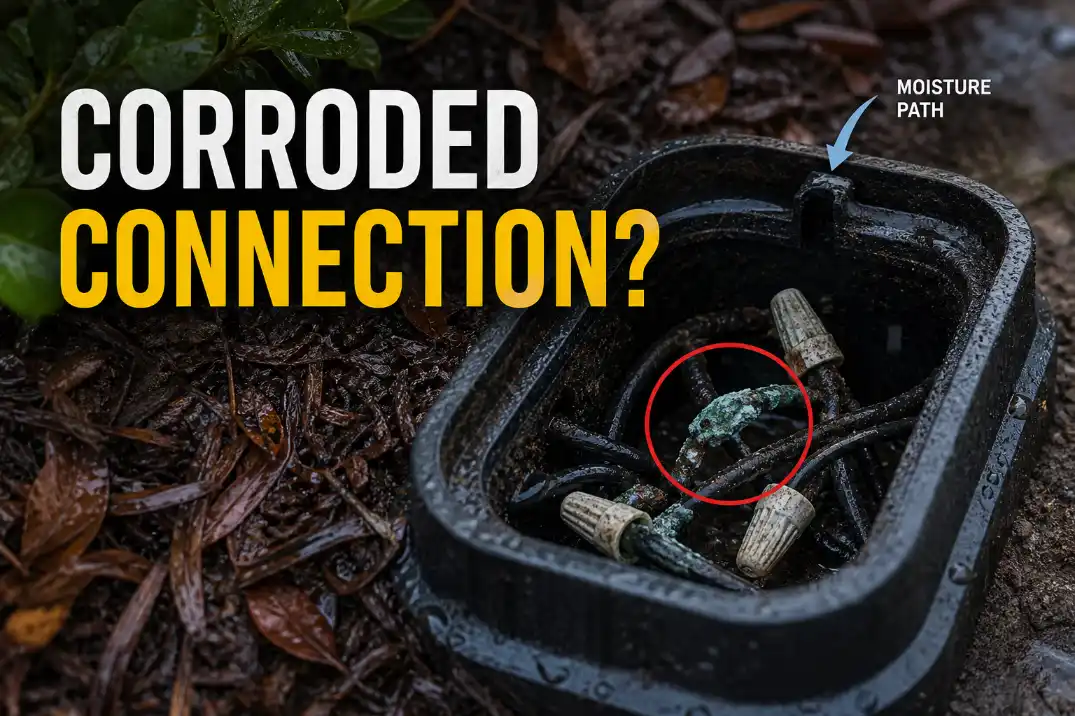
Corroded outdoor light connection inside a damp landscape lighting junction box with oxidized wire connectors.

Corrosion in outdoor light connections usually means moisture has reached a place where metal needs to stay clean, tight, and conductive. The first places to check are the wire splice, fixture terminals, socket contacts, and any buried or low-mounted connection that stays damp for more than 24–48 hours after rain or irrigation. A healthy outdoor … Read more

Water Inside Outdoor Light Fixtures: Normal or a Leak?

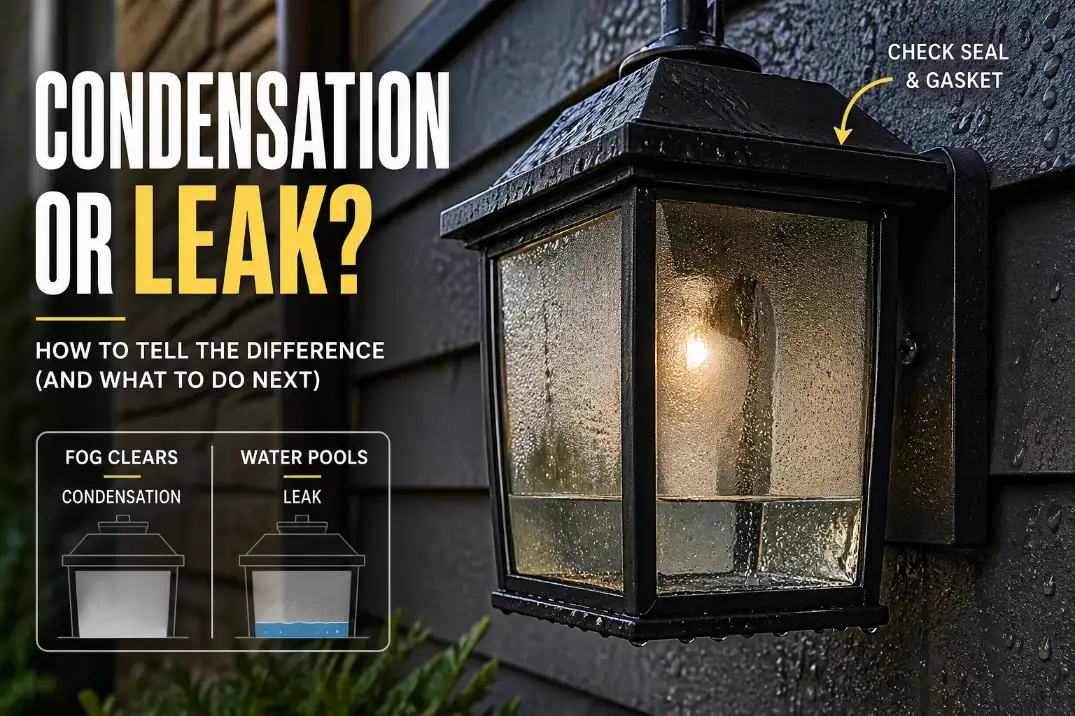
Outdoor light fixture with fogged glass and pooled water inside showing condensation versus leak diagnosis.

Water inside an outdoor light fixture is normal only when it looks like thin fogging or tiny droplets that clear within about 24–48 hours of dry weather. Standing water, a visible water line at the bottom of the lens, rust stains, flickering, repeated fogging after every rain, or a GFCI trip points to a leak … Read more

Outdoor Lights Tripping GFCI Outlets

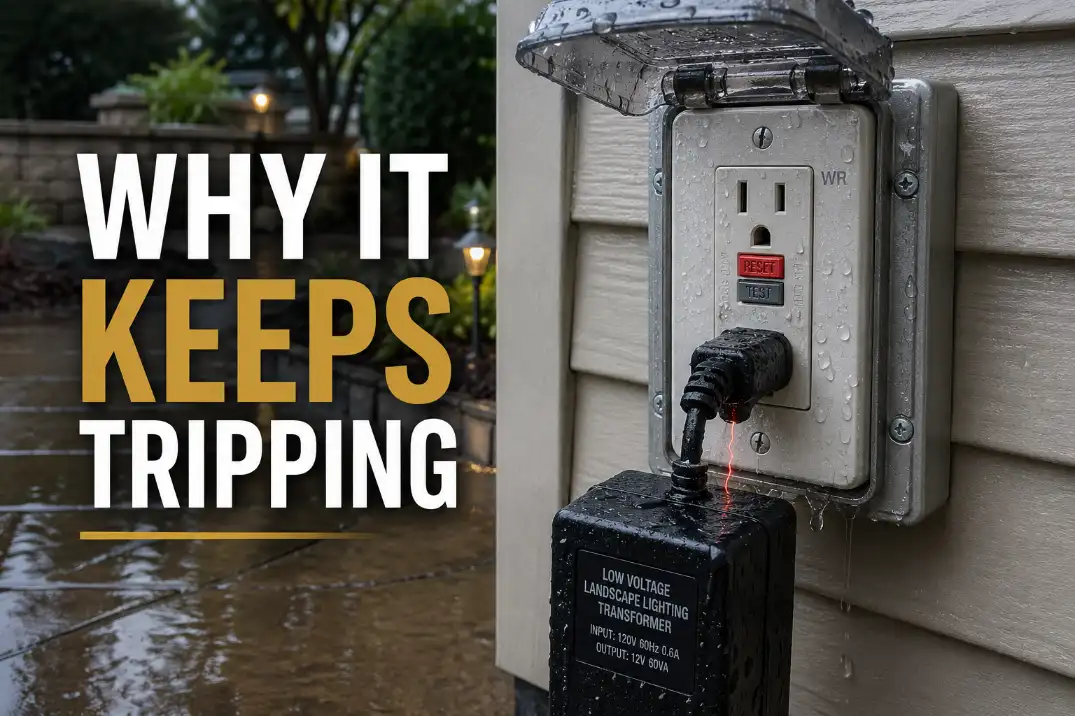
Outdoor GFCI outlet tripped after rain with a landscape lighting transformer plugged into a wet exterior receptacle.

Outdoor lights that trip a GFCI outlet after rain are usually exposing a small leakage-current problem, not pulling too much power. A GFCI can shut off when the outgoing and returning current differ by about 5 milliamps, so a damp plug, wet splice, cracked fixture, or water inside a box can trip it even when … Read more